
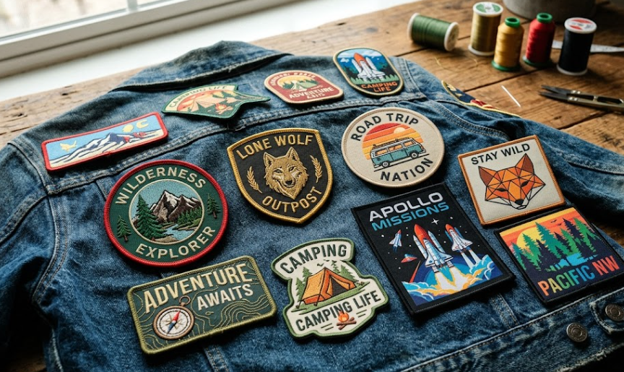
Choosing between embroidered vs printed patches is one of the first decisions any Canadian business, club, or organization faces when ordering custom patches, and getting it wrong can mean paying for a texture or level of detail your design does not actually need.
At The Custom Patches Canada, we get this question from customers across the country every week, whether they are outfitting a hockey team, branding a construction crew, or dressing up a motorcycle club vest.
This guide breaks down patch types explained in plain terms, covering everything from thread weight to washing durability, so you can order with confidence instead of guesswork.
By the end of this article, you will understand exactly when embroidery makes sense, when printing is the smarter choice, and how to weigh cost against appearance for your specific project.
We will also touch on woven and PVC alternatives, since many customers researching embroidered vs printed patches end up comparing several methods before settling on one.
What Are Embroidered Patches?
Custom embroidered patches are made by stitching a design directly onto a fabric backing using coloured embroidery thread. A digitized file guides an embroidery machine through thousands of individual stitches, building up the design in layers of thread until it forms a raised, textured surface.
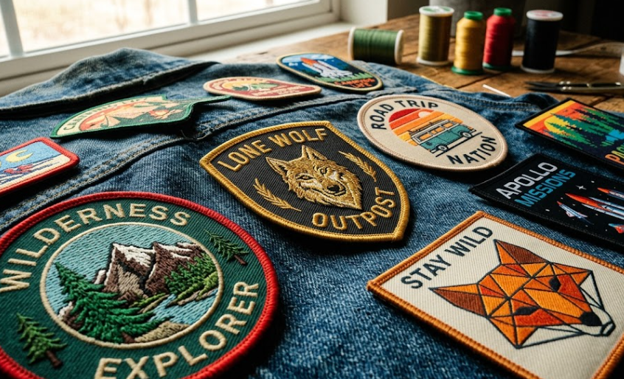
This is the classic patch look most Canadians grew up seeing on varsity jackets, scout uniforms, and military gear. The raised texture is the defining feature of embroidered patches. Because the thread sits on top of the fabric, the design has genuine dimension you can feel with your fingers.
This texture is part of why embroidered patches carry a premium, traditional look that many organizations still prefer for formal uniforms, team jerseys, and brand merchandise. A 3D embroidery patch version is also available for brands that prefer the raised look.
Embroidered patches work best for:
- Bold logos, letters, and numbers with clean lines
- Designs with a limited colour palette (generally under 12 thread colours)
- Uniforms and workwear that need to withstand years of washing
- Applications where a premium, tactile finish matters
The trade-off is fine detail. Small text, thin lines, and photographic elements do not translate well into stitching, since thread has a minimum width and cannot replicate the sharpness of a printed pixel. If your design has gradients or a lot of small text, embroidery will round off those details.
What Are Printed Patches?
Custom printed patches are produced using dye sublimation printing, a process that transfers a full-colour design directly onto polyester twill fabric using heat and pressure. Instead of thread, the image is essentially dyed into the fabric fibres, which means the surface stays flat rather than raised.
This flat, smooth finish is the biggest visual difference in the embroidered vs printed patches comparison. Because there is no stitching involved, printed patches can reproduce almost unlimited colours, fine gradients, small text, and even photographic imagery with total accuracy. This makes sublimated patches the go-to option for detailed logos, event badges, and designs that simply cannot be replicated in thread.
Printed patches work best for:
- Detailed graphics, gradients, and photo-realistic designs
- Logos with more than a dozen colours
- Short-run or promotional orders where cost matters more than texture
- Designs with fine text or thin outlines
The main drawback of printed patches is long-term durability. Because the design sits on the surface of the fabric rather than being woven or stitched in, sublimated ink can fade or show wear faster than embroidery under heavy, repeated washing, particularly in outdoor or industrial applications.
Embroidered vs Printed Patches: Side-by-Side Comparison
| Factor | Embroidered Patches | Printed Patches |
| Texture | Raised, three-dimensional | Flat, smooth |
| Detail capacity | Best for bold, simple designs | Best for fine detail and gradients |
| Colour range | Limited by thread colours | Virtually unlimited |
| Durability | Excellent, holds up for years | Good, but can fade with heavy washing |
| Cost at volume | Higher per-unit cost | Lower per-unit cost |
| Best use case | Uniforms, workwear, premium branding | Event badges, detailed logos, short runs |
Understanding patch types explained side by side like this makes the decision much easier once you know which factor (texture, budget, or detail) matters most for your project.
Where Woven and PVC Patches Fit In
Most customers researching embroidered vs printed patches eventually come across two other common options: woven patches and PVC patches. It is worth understanding where these fit into the picture.
Woven patches sit between embroidery and printing. They use thinner thread than standard embroidery, woven tightly together without a visible fabric base, which allows for finer detail and smaller text than traditional embroidery while still keeping some texture. Woven patches suit designs with small lettering that would otherwise get lost in thicker embroidery stitching.
PVC patches are moulded from soft rubber material rather than fabric or thread. They are naturally waterproof, flexible, and highly durable, which makes them popular for outdoor gear, tactical equipment, and rugged workwear across Canada. PVC patches also allow for a 3D moulded effect that neither embroidery nor printing can achieve.
If your project needs waterproofing or a rugged, tactical look, PVC is worth exploring separately from the core embroidered vs printed patches decision. Browse our full patches breakdown guide for further details and comparisons.
Cost Considerations for Canadian Buyers
Pricing is often the deciding factor once design requirements are settled. Printed patches are generally the more affordable option, particularly for bulk orders, because the sublimation process has lower setup costs and faster production times than digitizing and stitching a full embroidery file.
Businesses ordering large volumes, such as event badges for a conference or promotional patches for a marketing campaign, often find printed patches deliver the best value.
Embroidered patches cost more per unit, largely due to the labour and machine time required to stitch each patch, but many Canadian organizations consider this a worthwhile investment for uniforms and workwear that need to last for years rather than months.
Bulk pricing on embroidered orders improves significantly at higher quantities, and The Custom Patches Canada offers volume discounts on orders starting at 50 units, with the steepest per-unit savings kicking in at 250 pieces and above.
Whichever method you choose, requesting a quote based on your exact design, size, and quantity is the only reliable way to compare true costs, since factors like thread colour count, patch size, and backing type all affect final pricing for your custom patches Canada.
How to Choose the Right Patch Type for Your Project
Ask yourself these three questions before ordering:
- How much detail is in my design? Simple logos and bold text favour embroidery. Detailed graphics, gradients, and photo-style imagery favour printing.
- How will the patch be used? Uniforms, workwear, and items washed frequently benefit from the durability of embroidery. Short-term promotional items and event badges are well served by printed patches.
- What is my budget per unit at volume? If cost per patch at scale is the priority, printed patches typically win. If longevity and premium appearance matter more, embroidery is worth the extra cost.
There is no universal right answer in the embroidered vs printed patches debate. The correct choice depends entirely on your design complexity, intended use, and budget, and a good patch supplier should be able to walk you through samples of both before you commit to a bulk order.
Real-World Scenarios: Embroidered vs Printed Patches in Action
Seeing how other Canadian organizations have approached the embroidered vs printed patches decision can make the choice easier to apply to your own project.
A minor hockey league ordering jersey crests: A youth hockey association wants a bold two-colour team crest for 200 jerseys that will be washed weekly for an entire season. This is a textbook case for embroidered patches. The design is simple enough for clean stitching, and the durability of embroidery means the crest will still look sharp after dozens of wash cycles, long after a printed patch might start to fade.
A tech company branding conference badges: A Canadian software company needs 500 patches with a gradient logo and fine print text for a one-time industry conference. Here, printed patches make far more sense. The event is short-term, the design has intricate detail that embroidery cannot reproduce cleanly, and the lower per-unit cost of sublimation printing keeps the promotional budget in check.
A construction firm ordering safety vest patches: A construction company needs a company logo patch that will be worn daily on high-visibility safety vests exposed to sun, dirt, and frequent washing for years. Embroidery is the clear choice again, since the raised thread stands up to abrasion and repeated laundering far better than a printed surface exposed to constant wear.
A motorcycle club ordering vest patches: A Canadian motorcycle club wants a large, detailed back patch with shading and multiple colours for member vests. This is a case where the two methods genuinely compete. If the club values the traditional, textured look associated with vest patches, embroidery (or a hybrid approach with embroidered outlines and printed fill) is often preferred, even though it costs more. If budget is the priority and the design has heavy detail, a high-quality printed patch is a reasonable alternative.
These examples show that the right answer in the embroidered vs printed patches decision almost always comes back to the same three factors: how detailed the design is, how the patch will be used, and how much durability the application demands.
Caring for Your Patches After Purchase
Regardless of which method you choose, proper care extends the life of any patch. Embroidered patches hold up well to machine washing, but turning garments inside out before washing and avoiding high-heat drying will help preserve thread colour and prevent loose stitching over time.
Printed patches benefit from gentler care, including washing in cold water and avoiding direct ironing over the printed surface, since excess heat can cause the sublimated design to soften or lift at the edges.
For both patch types, attaching with sew-on backing generally outlasts iron-on adhesive for items that see frequent washing, since stitching provides a more permanent bond than heat-activated glue.
If a patch will be removed or repositioned often, such as on a backpack or removable uniform component, Velcro backing remains the most practical option for either embroidered or printed designs.
Frequently Asked Questions
Which lasts longer, embroidered or printed patches?
Embroidered patches generally last longer under heavy use because the design is stitched into the fabric with durable thread rather than sitting on the surface. Printed patches, while still reasonably durable for moderate use, are more prone to gradual fading or surface wear over time, particularly with repeated washing or prolonged sun exposure.
Are printed patches cheaper than embroidered patches?
Yes, printed patches are typically less expensive than embroidered patches, especially at higher order volumes.
Can I get very detailed designs embroidered?
Highly detailed designs, including fine text, gradients, and photo-realistic imagery, are difficult to reproduce accurately with embroidery because thread has a minimum stitch width that cannot capture very fine lines or subtle colour blending.
What patch backing options work with embroidered and printed patches?
Both embroidered and printed patches can be paired with the same range of backing options, including iron-on adhesive, sew-on, Velcro hook-and-loop, and adhesive peel-and-stick backings. The backing choice depends on how the patch will be applied and used rather than the production method itself.
Get the Right Kind of Patches for Your Next Project
The Custom Patches Canada offers both embroidered and printed patches with fast Canadian production and no minimum order barriers for standard runs. Get started with your custom patch order by simply contacting us and enjoy a free quote!