
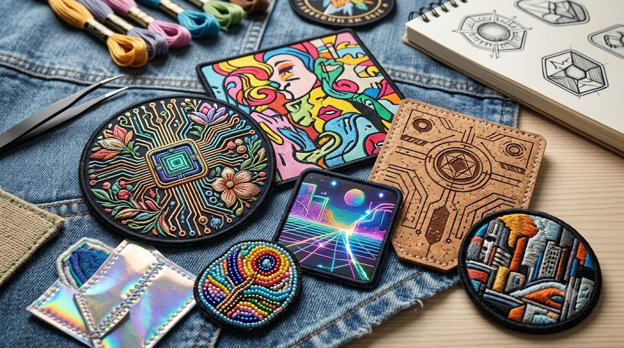
Patches used to be a small finishing touch. In 2026, they have become the main event. Jackets, hoodies, hats, bags, and even home textiles are being designed around the patch instead of the other way round, and the shift is showing up everywhere from streetwear drops to corporate uniforms.
If you are planning a collection, a team kit, or a personal project this year, understanding patch trends 2026 will help you pick designs, materials, and colors that actually resonate with buyers instead of guessing.
This guide breaks down the styles, colors, materials, and placements shaping custom patch designs this year, along with practical guidance on choosing the right patch type for your brand, team, or personal wardrobe. Whether you already know you want chenille or you are still comparing embroidered patches against woven or PVC options, this walkthrough covers what buyers are actually ordering right now.
Why Custom Patch Trends Matter in 2026
Patches are no longer an afterthought stitched onto a finished garment. Brands, schools, sports teams, and independent designers are treating patches as a core part of product design, which means the patch trends 2026 cycle affects far more than hobbyists.
A patch that looks dated can make an otherwise strong jacket or cap feel behind the times, while a well-chosen design can turn a plain item into something people want to photograph and share.
Three forces are driving this year’s direction: personalization, texture, and responsibility. Buyers want patches that feel unique rather than mass-produced, they want to feel the design through raised embroidery or woven detail, and a growing share of them are asking what the patch is actually made from before they order.
Top Custom Patch Design Trends for 2026
These are the styles showing up most often in 2026 orders, from streetwear collections to uniform programs.
1. Oversized Chenille and 3D Puff Embroidery
Big, tactile patches are dominating apparel this year, among Chenille vs Embroidered Patches. Oversized chenille patches that once lived only on varsity jackets are now showing up on hoodies, tote bags, and denim jackets, and they are being sized up rather than scaled down.
Alongside them, raised or 3D embroidery patches give letters and logos a sculpted, pop-out look that photographs well on social media and reads clearly from a distance, which is exactly why streetwear labels favor it for hero pieces.
2. Two-Color Minimalist Streetwear Patches
Not every 2026 trend is loud. A strong counter-movement favors restraint: two-color designs with a single bold outline, negative space used deliberately, and typography that reads as a wordmark rather than a crest.
These minimal patches work well on sleeves, chest pockets, and caps where a busy multi-color design would compete with the garment itself. The appeal is speed of recognition; a clean two-tone patch is identifiable at a glance, which matters for brands building repeat visual recognition.
3. Woven Patches for Fine Detail
When a logo includes small text, thin lines, or gradient-like shading, woven patches are becoming the default choice over standard embroidery. The tighter thread count captures detail that embroidery would otherwise flatten into a blob, which is why brands with intricate emblems are shifting toward woven construction for anything smaller than a few inches across.
4. PVC and Rubber Patches for Outdoor and Tactical Gear
Waterproof, flexible, and easy to clean, PVC patches continue to gain ground on outerwear, backpacks, and tactical or utility gear. Their molded, glossy finish gives logos a modern look that holds up outdoors in ways embroidery cannot, which explains why outdoor brands and gear makers keep leaning on them for 2026 collections.
5. Sequin and Reversible Patches
Reversible sequin patches, where brushing the sequins in one direction reveals a different color or design, remain popular for kids’ apparel, novelty gifts, and playful brand collaborations. They add an interactive element that static patches cannot match, and they continue to perform well as a standalone retail item rather than only as an add-on.
6. Gamer, Pop-Culture, and Patch Art Aesthetics
Aesthetic patch art, gaming references, and collectible-style patch sets are trending among younger buyers who treat patches the way earlier generations treated pins or stickers, collecting and trading them or arranging them across denim jackets and backpacks. This trend rewards series thinking: brands releasing patches in themed sets or seasonal drops rather than one-off designs are seeing stronger repeat engagement.
Color Palettes Trending in 2026
Color is doing a lot of storytelling this year. Two directions are competing for attention, and many of the strongest 2026 patch designs actually borrow from both.
| Palette Direction | What It Looks Like |
|---|---|
| Futuristic tones | Metallic thread, holographic PVC finishes, electric blues and violets, and high-contrast neon accents on dark bases |
| Nostalgic palettes | Muted earth tones, faded varsity colors, and retro combinations like cream and burgundy or navy and mustard |
| High-contrast minimal | Black and white, or a single saturated color against a neutral base, favored for streetwear wordmarks |
| Seasonal drops | Palettes rotated quarterly to match capsule collections, encouraging repeat purchases from the same buyer |
Materials and Backing Innovations Shaping 2026 Patches
Sustainability has moved from a nice-to-have to a genuine purchase factor. A meaningful share of buyers now specifically ask about recycled thread, organic cotton backing, or water-based adhesives before placing an order, and manufacturers are responding with lower-impact production without sacrificing the tactile quality patches are known for.
Backing technology is evolving alongside materials. Hybrid options that combine a Velcro base with an iron-on layer let the same patch be repositioned or permanently fixed depending on the wearer’s preference, which is especially useful for uniform programs that need flexibility across seasons.
If you are still deciding between a permanent and a removable application method, the tradeoffs are broken down in Sew On vs Iron On Embroidered Patches: Which Holds Better?, which is worth a look before finalizing a bulk order.
| Backing Type | Best For | 2026 Note |
|---|---|---|
| Sew-on | Uniforms, workwear, heavy-use garments | Still the top choice for durability through frequent washing |
| Iron-on | Retail, DIY, quick apparel customization | Newer low-VOC, water-based adhesives are replacing older solvent formulas |
| Velcro/hook-and-loop | Tactical gear, swappable team badges | Increasingly paired with a secondary iron-on layer for hybrid flexibility |
| Adhesive/peel-and-stick | Sampling, events, temporary branding | Growing for pop-up activations and trade show giveaways |
Where People Are Wearing Custom Patches in 2026
Patch placement has expanded well beyond the classic jacket sleeve. Popular application points this year include:
- Denim jackets and vests, often with an oversized statement patch as the focal point
- Hoodies and heavyweight sweatshirts, where puff or chenille patches read clearly against fleece
- Puff embroidery Caps and structured custom hats, where small woven or PVC patches hold detail without adding bulk
- Backpacks and totes, frequently styled with a themed set of collectible patches rather than a single logo
- Corporate and team uniforms, where sew-on or hybrid backings balance durability with a refreshed brand look
- Home textiles and accessories, an emerging category as patches move beyond apparel
How to Choose the Right Patch Trend for Your Brand or Project
Trends only help if they fit the product they are going on. Use this quick checklist before locking in a design. For jackets and letterman-style pieces specifically, sizing and backing decisions carry extra weight since these patches are meant to last for years:
- Match texture to garment weight. Oversized chenille suits heavyweight jackets and hoodies but can overwhelm lightweight shirts.
- Match detail level to size. Fine text or gradients need woven or embroidered construction; simple bold marks can go chenille or PVC.
- Match backing to use case. High-wash uniforms need sew-on durability, while retail and gifting favor iron-on convenience.
- Match palette to positioning. Nostalgic tones suit heritage and varsity branding, while high-contrast minimal palettes suit modern streetwear.
- Ask about material sourcing early if sustainability is part of your brand story, since not every base fabric or thread is available in recycled options.
Custom Patch Trends 2026 at a Glance
| Trend | Best Suited To | Recommended Patch Type |
|---|---|---|
| Oversized chenille | Jackets, hoodies, tote bags | Chenille patches |
| Minimalist two-tone | Streetwear, sleeve and chest placements | Embroidered or woven patches |
| Fine-detail logos | Corporate branding, small emblems | Woven patches |
| Outdoor and tactical | Backpacks, jackets, utility gear | PVC patches |
| Reversible novelty | Kids’ apparel, collectible sets | Sequin patches |
| Sculpted logos | Streetwear hero pieces | 3D embroidery patches |
Frequently Asked Questions About Custom Patch Trends 2026
What are the biggest custom patch trends for 2026?
The standout trends for 2026 are oversized chenille and 3D puff embroidery, two-color minimalist streetwear designs, fine-detail woven patches, PVC patches for outdoor and tactical gear, and reversible sequin patches for novelty and kids’ items. Sustainable materials and hybrid backings are also shaping how these designs get made.
Which patch type is trending most for streetwear brands?
Oversized chenille and 3D embroidered patches are the strongest streetwear trend right now, especially as hero pieces on hoodies and denim, though minimalist two-color wordmarks remain popular for subtler branding.
Are eco-friendly patches actually available in 2026?
Yes. Recycled thread, organic cotton bases, and water-based or low-VOC adhesives for iron-on backings are increasingly common. It is worth asking your patch maker directly which eco-friendly options they offer, since availability varies by material and patch type.
Should I choose sew-on or iron-on backing for a 2026 patch design?
It depends on how the item will be used. Sew-on backing holds up best for uniforms and frequently washed garments, while iron-on suits retail, gifting, and DIY customization.
What size should a trending 2026 patch be?
There is no single answer, since size depends on placement and design detail. Oversized statement patches for jackets often run 5 to 8 inches, while cap and chest placements typically stay under 3 inches so fine details remain legible. Larger canvases suit chenille and puff embroidery, while smaller placements suit woven or standard embroidery.
Can I combine multiple trending styles in one patch order?
Yes, many 2026 orders mix approaches, such as a chenille base letter combined with fine woven detailing, or a PVC border around an embroidered center. Reviewing options like Merrowed Edge vs Laser Cut Border for Custom Embroidered Patches can help you finalize how the finished edge should look once styles are combined.
Do custom patch trends differ by industry?
They do. Streetwear and fashion brands lean toward oversized chenille, 3D embroidery, and bold color palettes, while corporate and uniform buyers tend to favor woven or standard embroidered patches in restrained color counts for a more consistent, professional look.
Bringing 2026 Patch Trends Into Your Own Designs
The common thread across every trend covered here is that patches are being designed with intention rather than added as an afterthought.
Whether that means going oversized with chenille, keeping it clean with a two-color mark, or prioritizing recycled materials, the patch trends 2026 landscape rewards buyers who think through texture, placement, and backing together instead of choosing a style in isolation.
If you are ready to turn any of these custom patch designs into a finished product, The Custom Patches CA team can help you match the right material, size, and backing to your project from concept through production.